
As you approach retirement, you’ve likely spent decades building equity in your home. A reverse mortgage offers a way to tap into that wealth without selling your property or making monthly payments. However, this financial tool isn’t right for everyone, and understanding how it works is crucial before making any decisions.
Understanding Reverse Mortgages
A reverse mortgage is a loan available to homeowners aged 62 or older that allows them to convert part of their home equity into cash. Unlike a traditional mortgage where you make payments to a lender, a reverse mortgage pays you. The loan doesn’t need to be repaid until you move out, sell the home, or pass away.
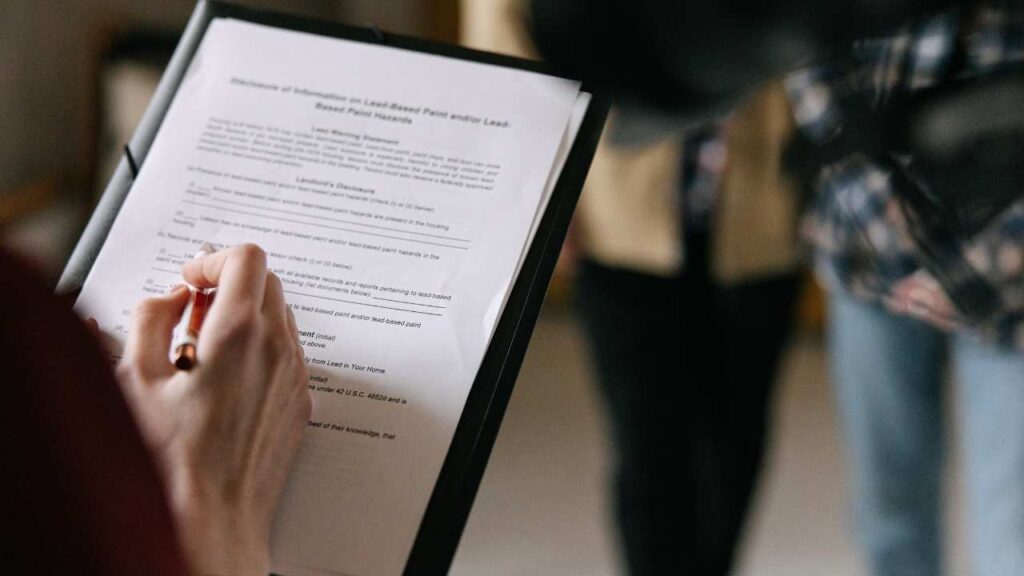
The most common type is the Home Equity Conversion Mortgage (HECM), which is federally insured and regulated by the Department of Housing and Urban Development (HUD). To qualify, you must own your home outright or have a low mortgage balance that can be paid off at closing, live in the home as your primary residence, and complete HUD-approved counseling.
Ready To Improve Your Financial Standing? Lets get you on board!
How Reverse Mortgages Function
When you take out a reverse mortgage, you can receive funds in several ways: as a lump sum, monthly payments, a line of credit, or a combination of these options. The amount you can borrow depends on your age, your home’s value, current interest rates, and the lending limit.
Throughout the loan term, interest accrues on the borrowed amount, but you make no monthly payments. Instead, the loan balance grows over time. You retain ownership of your home and can continue living there as long as you maintain the property, pay property taxes, and keep homeowners insurance current.
The loan becomes due when the last borrower permanently leaves the home. At that point, you or your heirs can repay the loan and keep the house, or sell the home to satisfy the debt. If the home sells for more than the loan balance, the remaining equity goes to you or your estate. If it sells for less, FHA insurance covers the difference, you or your heirs won’t owe more than the home’s value.
Why Consider a Reverse Mortgage
Financial Flexibility Without Monthly Payments
Reverse mortgages provide cash flow when you need it most, during retirement. Many seniors face the challenge of living on fixed incomes while dealing with rising healthcare costs and everyday expenses. A reverse mortgage eliminates monthly mortgage payments while providing access to funds, helping you maintain your standard of living without depleting retirement savings or investments.
Age in Place with Peace of Mind
For many retirees, staying in their longtime home means maintaining independence, community connections, and familiar surroundings. A reverse mortgage makes this possible by converting home equity into usable cash without forcing a sale. This allows you to cover home modifications for accessibility, in-home care, or other expenses that enable you to remain in your home longer.
Important Considerations
While reverse mortgages offer benefits, they also come with costs including origination fees, closing costs, and mortgage insurance premiums. The loan balance grows over time, reducing the equity available to you or your heirs. Additionally, if you need to move into a nursing home permanently, the loan becomes due.
Before proceeding, consult with a financial advisor and discuss the decision with your family to ensure it aligns with your long-term goals.
Ready To Improve Your Financial Standing? Lets get you on board!